Do You Need a Squat Rack, or Can Dumbbells Get You There?
Published August 17, 2026
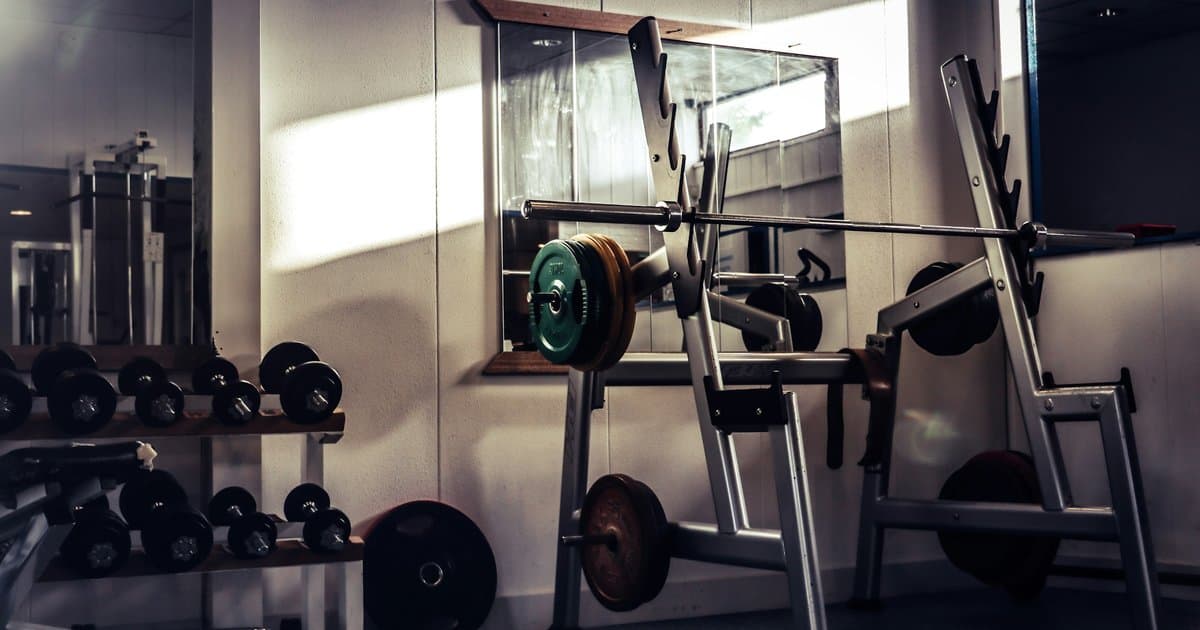
A squat rack is usually the single biggest purchase in a home gym, both in price and in the floor space it demands, which makes it a reasonable thing to hesitate over. The honest answer is that dumbbells can build real, meaningful leg strength for longer than most people assume, but they do have a real ceiling that a barbell and rack don't. Which one you need first comes down to where you actually are in that progression, not which one sounds more "serious."
What dumbbells can genuinely do for your legs
A heavy goblet squat, a set of dumbbell reverse lunges, a Bulgarian split squat, and a dumbbell Romanian deadlift cover quads, hamstrings, and glutes about as thoroughly as a barbell-only program would, especially early on. Single-leg variations like split squats and step-ups also add a genuine training benefit a barbell squat doesn't offer on its own: real side-to-side balance and stability work, which is part of why some lifters keep dumbbell single-leg work in their program even after they have full rack access.
Where dumbbells actually run out of runway
The limiting factor with dumbbell leg training is rarely your leg strength itself, it's your grip and your ability to hold increasingly heavy dumbbells in position throughout the set. A strong lifter can squat well past what a pair of heavy dumbbells held at the shoulders or sides can load, meaning your legs are ready for more than your hands can deliver. This is the specific point where a squat rack stops being a "nice to have" and starts being the only way to keep progressing your lower body the way your barbell deadlift or upper body pressing already can.
A rack unlocks more than just squats
Once a rack is in place, it's not a single-exercise purchase. A real squat rack or power rack also gives you a safe setup for barbell bench press (with safety bars catching a failed rep instead of a spotter), an anchor point for barbell rows, and often a pull-up bar built into the frame. That's part of why the purchase, once it makes sense, tends to replace several separate future purchases rather than adding one more piece of equipment to a growing pile.
So which one should you actually buy first?
If you're newer to structured training, a solid pair of adjustable dumbbells and a bench cover more total exercises across your whole body, not just legs, for a fraction of the price and floor space. A squat rack earns its place once you notice dumbbell weight, not your legs or your technique, is the thing holding your lower body progress back, or once your goals shift toward strength numbers that genuinely require a barbell to chase.
Not sure what your setup can actually cover?
Tell the workout plan tool what equipment you have, dumbbells, a rack, or both, and it'll build a real weekly plan around it.
Frequently asked questions
Can dumbbells fully replace a squat rack long-term?
For most people, no, but the timeline before that matters is longer than people expect. A committed beginner can spend a genuinely useful first year or more building real strength on dumbbell-only lower body work before dumbbell weight becomes the limiting factor rather than technique or recovery.
What's the actual ceiling on dumbbell leg training?
It's not the exercises themselves, it's how much weight you can hold. A heavy goblet squat or a pair of dumbbells for Bulgarian split squats gets genuinely difficult to hold onto well before your legs are the limiting factor, especially in the 30-50+ lb per hand range. At that point, the exercise stops training your legs to their real potential and starts being limited by grip and the logistics of holding the weight.
Is a squat rack overkill if I'm just starting out?
Not overkill, but not necessarily the first purchase either. If your budget forces a choice, dumbbells (plus a bench) cover more total exercises across your whole body for the money, while a squat rack is a bigger, more specialized investment that pays off once dumbbell weight starts becoming the bottleneck specifically for your legs.
What if I only have space for one or the other?
Dumbbells take up a fraction of the floor space a squat rack needs and don't require a permanent dedicated area the way a rack does. If space is the real constraint, dumbbells are the more space-efficient starting point, and a squat rack becomes worth the footprint once you've outgrown what dumbbells alone can do for your legs.