Training Alone: How to Know You're Actually Pushing Hard Enough Without a Spotter
Published July 24, 2026
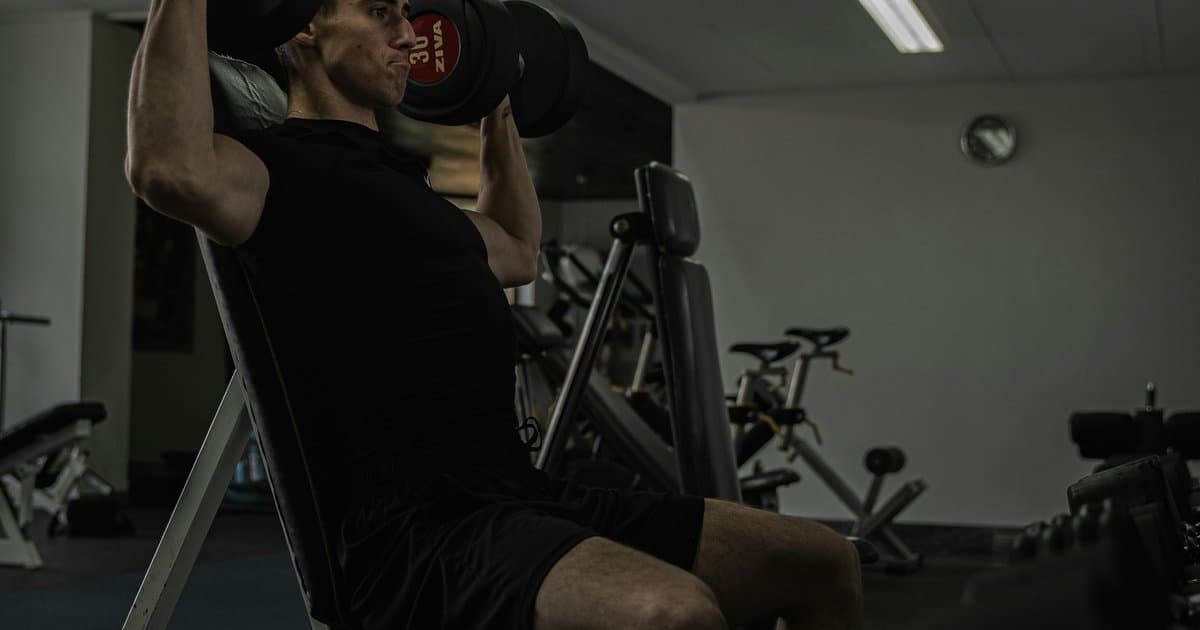
Training alone removes the person who'd normally tell you whether that last set was actually hard or whether you eased off without realizing it. The fix isn't a spotter substitute, it's a concrete way to self-assess effort: rating reps in reserve after each set, and knowing specifically which exercises are safe to push near failure alone versus which ones need a built-in safety margin instead.
Reps in reserve: a concrete stand-in for a spotter's judgment
Reps in reserve, or RIR, asks a specific question right after a set ends: how many more reps could you have realistically done with good form? A set finished with 3 or more reps left in the tank is genuinely far from failure, no matter how tired it felt in the moment. A set finished with 0 to 1 reps left is close to or at true failure. Answering that question honestly after every set, rather than judging effort by exhaustion alone, is the most direct replacement for a spotter's outside read on how hard a set actually was.
The tell that beats how a set felt
Perceived difficulty is an easy thing to misjudge alone, especially under fatigue or when a set is mentally dreaded before it starts. Bar or dumbbell speed is a more reliable signal: a set genuinely close to failure shows a clear, noticeable slowdown on the final one or two reps, even when the rep still gets completed. A set that moves at the same steady speed from the first rep to the last, with no slowdown at all, almost always had more left than it felt like from the inside.
Which exercises actually need a safety margin
Machines and dumbbells fail safely on their own: a missed rep just means setting the weight down. A barbell bench press or an unsupported barbell squat is a different situation, since a genuine failure with no one to help can trap you under the bar. A power rack with safety bars set just below your lowest working range solves this directly, catching a missed rep automatically instead of requiring a spotter. On those specific lifts, stopping a rep or two short of true failure, or using the rack's safety bars as the actual backstop, is worth doing every time, independent of how the set feels.
Both workout tools already build reps-in-reserve into intensity
The workout plan and single workout tools include a five-level intensity setting, from Very Light up to Max, and the top two levels (High and Max) specifically show a reminder to aim for 1-2 reps in reserve rather than full failure, the same self-assessment described above, right above the generated schedule. For anything done on a barbell without a spotter, the squat rack guide covers how to set safety bars as the actual backstop.
Frequently asked questions
What is RPE, and how do you use it when training alone?
RPE, rate of perceived exertion, is a simple 1-to-10 self-rating of how hard a set felt, with 10 meaning true failure. Its close relative, RIR, or reps in reserve, asks the more concrete question of how many more reps you think you could have done. Rating each set right after finishing it, using RIR specifically since it's more concrete than a 1-to-10 feeling, is the core tool for judging effort with no one else's feedback to rely on.
Is it safe to train a set to true failure without a spotter?
It depends entirely on the exercise. Machines, dumbbells, and any movement where a failed rep just means putting the weight down are safe to push close to or at true failure alone. A barbell bench press or an unsupported barbell squat outside a rack with properly set safety bars is a different situation, since a failed rep there can trap you under the bar with no one to help. Those specific lifts are worth stopping a rep or two short of failure when training solo, regardless of how the set feels.
How do you know if you're leaving too many reps in the tank?
The clearest sign is a set that still moves at a consistent, controlled speed all the way through, with no real slowdown near the final reps. A set genuinely close to failure shows a noticeable change in bar speed on the last couple of reps, even if the rep still gets completed, and that slowdown is a more reliable signal than how tired the set felt overall.
Should solo lifters avoid certain exercises altogether?
Not avoid, but respect differently. A barbell bench press without a spotter is safest performed inside a rack with the safety bars set just below chest height, so a missed rep gets caught automatically. Free-standing barbell overhead work taken to true failure carries similar risk. Neither needs to be removed from a routine, but both deserve a slightly larger safety margin than a machine or dumbbell exercise would.