Is a Cable Machine Enough for a Full-Body Workout?
Published October 13, 2026
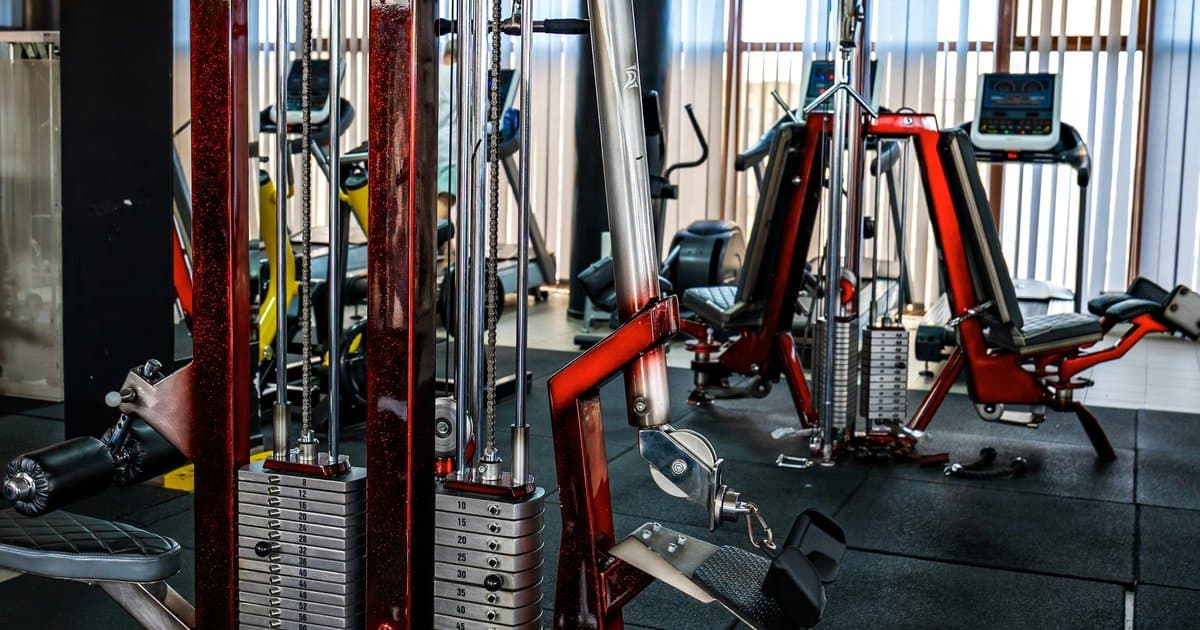
For most of your body, yes. A cable machine or functional trainer can press, row, pull down, fly, curl, and extend, which covers the chest, back, shoulders, and arms thoroughly, plus a solid hip hinge for the glutes and hamstrings. The real gap is heavy squat-type leg training, which cables don't load well. That gap is easy to close with bodyweight leg work or one extra dumbbell, so a cable machine can absolutely anchor a complete program.
What a cable machine covers
Upper body training is where cables shine. A cable chest press and cable fly cover the chest, a lat pulldown and seated cable row give you both vertical and horizontal pulling, and face pulls, lateral raises, curls, and pushdowns handle the smaller muscles. For the lower body, the cable pull-through is a beginner-friendly way to learn the hip hinge, and a cable crunch gives core work an easy way to add resistance over time.
Why cables are good for training alone
A cable machine changes resistance by moving a pin, usually in small steps, which makes gradual progression easy. It also fails safely: if you can't finish a rep, the stack simply lowers back down, with no bar to get stuck under. That makes it easier to push sets genuinely close to failure without a spotter, which matters because effort is one of the bigger drivers of results.
Where cables run short
Heavy leg training is the main limitation. Squat patterns are awkward to load on a cable, and a strong lifter's legs can outgrow what a stack provides for exercises that do work. Bodyweight squats, lunges, and split squats cover that role well at first, and the cable machine workout program is built that way. For heavier leg work later, a dumbbell or kettlebell for goblet squats is the smallest upgrade, and a Smith machine is the bigger one, which the functional trainer and Smith machine program combines.
Build a plan around your cable machine
Tell the workout plan tool you have a cable machine, plus anything else you own, and it'll build a weekly plan that uses it. Still shopping? The cable machine guide covers picks at three price levels.
Frequently asked questions
Do cable exercises build as much muscle as free weights?
Research comparing machine and free-weight training generally finds similar results. A 2023 meta-analysis found no meaningful overall difference in strength gains between the two, with each doing slightly better on tests that used its own type of equipment. For building muscle, what matters most is that your sets are challenging and that you keep progressing them.
Can you train legs with only a cable machine?
Partly. Cable pull-throughs train the hip hinge well, and glute kickbacks and standing calf work are possible on many machines. Squat-type training is the weak spot, since cable squats are awkward to load heavily, so bodyweight squats, lunges, and split squats usually fill that role. Adding a single dumbbell or kettlebell for goblet squats is the simplest upgrade.
What is a pulley ratio, and does it matter?
Many functional trainers use a 2:1 pulley ratio, which means the handle moves twice as far as the weight stack and you feel roughly half the weight shown on the stack. That's not a problem for training, but it means the numbers aren't directly comparable to dumbbells or to a different machine. Track your progress on the same machine and the ratio stops mattering.
Which cable attachments do I actually need?
A pair of single handles, a rope, and a straight or lat bar cover nearly every common cable exercise, from presses and rows to pulldowns, face pulls, curls, and triceps pushdowns. An ankle strap is a useful extra for glute and hip work.
Source: Haugen et al. "Effect of free-weight vs. machine-based strength training on maximal strength, hypertrophy and jump performance: a systematic review and meta-analysis." BMC Sports Science, Medicine and Rehabilitation, 2023. Read the review ↗